
How to Generate More Leads Online
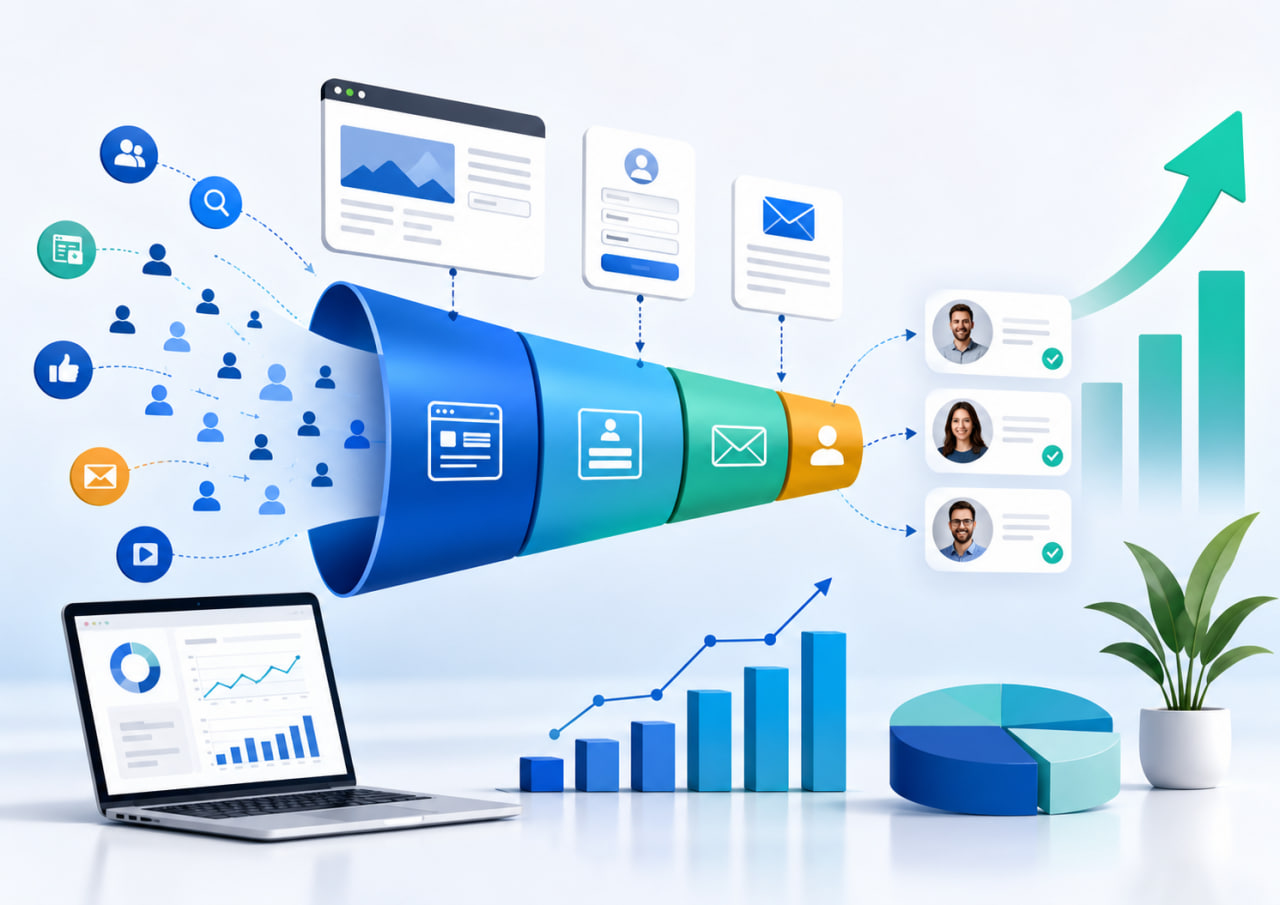
Generating leads online is not about adding more forms everywhere. A lead happens when the right visitor understands the offer, trusts the business enough to make contact, and sees a next step that feels easy. The work is to remove the gaps between attention, interest, proof, and action.
Start with the offer, not the traffic
Many businesses try to fix lead volume by buying more clicks. That can help, but only after the offer is clear. A visitor should know within a few seconds what problem you solve, who it is for, where you operate, and what happens after they submit a form. If the page says “quality solutions” but never names the actual service, the traffic is being wasted before the form even appears.
A stronger lead page usually has one specific promise, one audience, visible proof, and one primary action. The page can still contain detail, but it should not ask the visitor to guess which path matters.
Lead quality rises when the page filters early
Clear pricing ranges, service areas, project types, and timelines help the wrong visitors leave before they waste your sales time.
Fast contact beats clever wording
Phone, form, booking, and email options should be visible before the visitor has to scroll through a full pitch.
Proof should sit near the decision
Reviews, examples, guarantees, certifications, or client outcomes work best close to buttons and forms, not hidden at the bottom.
Where online leads usually come from
| Channel | Best use | What usually breaks |
|---|---|---|
| Organic search | Captures people already searching for a service, problem, or comparison. | Pages rank for broad topics but do not explain the service or local availability clearly enough. |
| Paid search | Tests demand quickly and brings high-intent visitors to a focused offer. | Ads send users to a generic homepage instead of a page that matches the keyword and ad promise. |
| Social media | Builds familiarity before the buyer is ready and gives proof that the business is active. | Posts get attention but do not move people toward a consultation, quote, checklist, or booking step. |
| Turns previous visitors, old inquiries, and warm contacts into repeat conversations. | The list receives announcements instead of useful triggers, reminders, offers, and follow-ups. | |
| Referral pages | Converts people who already heard about the business from a partner, client, or community. | The page does not reflect the referral context, so the visitor lands cold again. |
The page should answer the sales questions before sales gets involved
Good lead generation content does part of the qualification work. It explains who the service is for, what makes the process different, what information the business needs from the customer, and what a realistic next step looks like. That does not mean writing a long brochure. It means placing the right information where hesitation happens.
For example, a visitor considering a quote may wonder about budget, timing, experience, or risk. If those questions are left unanswered, the form feels like a commitment. If the page handles those concerns, the form feels like a useful next step.
One landing page should not carry every job
A balanced lead system gives each page a clear role instead of forcing every visitor into the same generic funnel.
Build the path around intent
Someone searching “emergency website repair” should not land on the same page as someone reading “common website design mistakes.” The first person needs speed, trust, and a contact option. The second may need education, examples, and a reason to continue reading. When the page matches intent, the conversion does not feel forced.
That is why internal links matter. A practical article can send readers to a deeper service page, and a service page can link back to useful explanation when the visitor needs more context. Keep the links tight. Two useful links are better than a sidebar full of distractions. For example, a business improving its search visibility can connect this topic with local SEO, while a team fixing weak pages can compare the issues against common website design mistakes.
What to fix before spending more money
| Fix | Why it affects leads | Simple test |
|---|---|---|
| Headline clarity | Visitors decide whether the page is relevant before they read details. | Can a stranger explain the service after five seconds? |
| Form length | Every extra field adds effort and can reduce completions. | Remove anything sales can ask later. |
| Trust signals | People hesitate when the business looks unproven or anonymous. | Place proof near the first call to action. |
| Response expectation | Users are more likely to submit when they know what happens next. | Add a clear line about timing, process, or callback. |
| Mobile contact | Many leads happen on phones where forms are harder to complete. | Test the page with one thumb on a small screen. |
Lead generation improves when follow-up is part of the system
A lead is not finished when the form is submitted. Speed matters because the visitor may be comparing several businesses at once. A simple confirmation message, quick reply, useful intake questions, and a clean handoff can turn a weak inquiry into a real opportunity. The website creates the lead, but the follow-up protects it.
The strongest online lead systems are not complicated. They are clear, specific, measurable, and easy to act on. Make the offer obvious, match the page to the visitor’s intent, reduce friction at the contact point, and keep improving based on which leads become real customers.